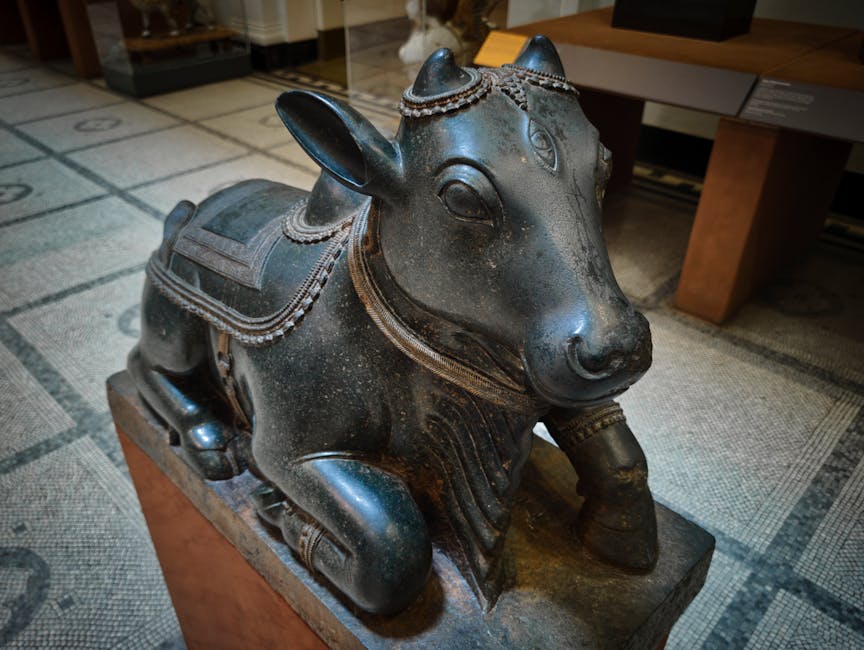
Specialist handling for antiques and art during a UK move
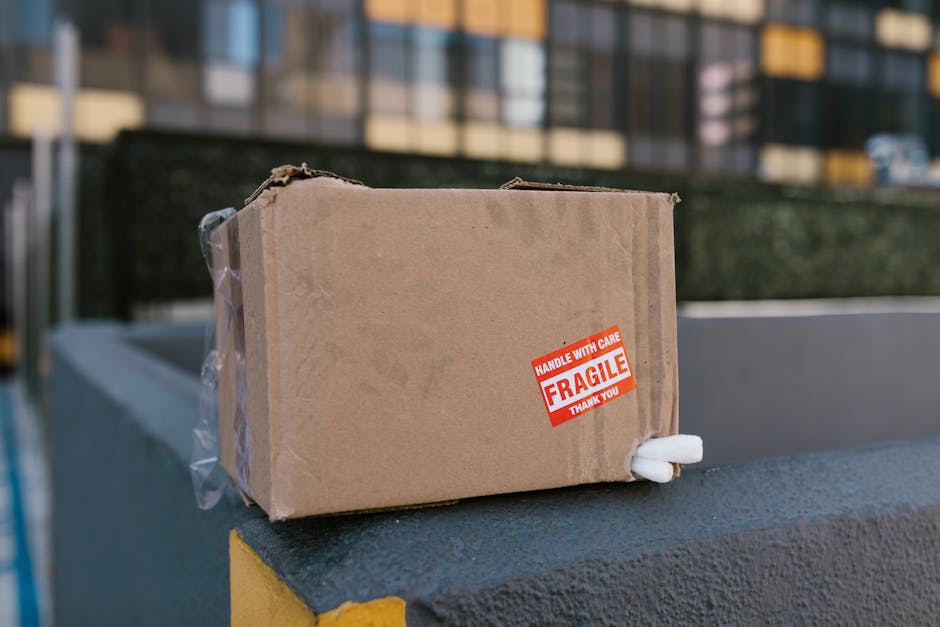
Moving a treasured painting, a Georgian sideboard, or a cabinet full of fragile collectibles is not the same as moving a sofa and a few boxes. Specialist handling for antiques and art during a UK move is about reducing risk, preserving condition, and making sure each piece arrives safely enough to be unpacked without that horrible moment of regret. If you have ever stood in a hallway with a wrapped mirror in your hands and thought, "this needs more than a duvet and hope," you are in the right place.
This guide explains how specialist art and antique removals work, why they matter, and what to look for if you want a calm, well-managed move. We will cover packing, loading, transport, insurance awareness, and the practical choices that actually make a difference on moving day. To be fair, the details are where the value is.
- Why specialist handling matters
- How the process works
- Key benefits and advantages
- Who needs this service
- Step-by-step guidance
- Expert tips for better results
- Common mistakes to avoid
- Tools, resources and recommendations
- Law, compliance, standards and best practice
- Options, methods and comparison table
- Case study or real-world example
- Practical checklist
- Conclusion
- Frequently asked questions
Why Specialist handling for antiques and art during a UK move Matters
Antiques and artwork fail in ways ordinary household items usually do not. A chip on a dining chair leg may be cosmetic. A small vibration in a framed oil painting can loosen a mount, scuff a corner, or crack old glazing. Old timber can split if it is packed tightly against modern furniture. Gilded frames are sensitive to pressure. Ceramic, glass, brass, marble, and mixed-media pieces all react differently to movement, temperature changes, and careless stacking.
In a typical UK move, the main risks are not dramatic. They are ordinary: a sharp turn on a narrow stair, a wet front path, a box that was fine in the van until another item shifted against it. London terraces, compact hallways, shared entrances, and parking restrictions can make things tighter again. That is why specialist art and antique moving is less about "being careful" in the vague sense and more about planning each touchpoint from the room to the vehicle to the new address.
There is also the emotional side. People do not just move value; they move memory. Maybe it is a grandfather clock, maybe a modern print bought on a trip, maybe a family heirloom that has lived in the same spot for decades. When something is irreplaceable, the tolerance for guesswork drops to zero. Understandably so.
For broader moving support, many households combine specialist care with a structured domestic move through home moves or, where larger items and access issues are involved, house removalists. If the move includes multiple high-value items, careful packing and labelled handling often work best alongside a wider service plan such as packing and unpacking services.
How Specialist handling for antiques and art during a UK move Works
Good specialist handling starts before the first item is lifted. A proper move usually begins with an inventory or walk-through, where each piece is noted by type, size, condition, and any obvious vulnerability. That sounds simple, but it is the difference between a rushed uplift and a controlled operation.
Here is what the process normally looks like:
- Assessment: The mover identifies which pieces need bespoke packing, extra labour, lifting aids, or custom crating.
- Protection plan: Items are grouped by material and fragility. A porcelain vase is not handled like a carved oak cabinet, and neither is handled like a canvas.
- Packing: Specialist materials are used to cushion, immobilise, and protect surfaces. The aim is not just padding, but controlled movement.
- Loading: Pieces are loaded in an order that avoids pressure points, tilt, and unnecessary stacking.
- Transit: The vehicle is packed so items cannot slide, rub, or topple. Sometimes this is where plain old patience matters most.
- Unloading and placement: High-value items are delivered to the correct room, checked, and unpacked in a sensible sequence.
For some moves, a smaller vehicle and smaller crew are actually better because access is tighter and the handling can be slower and more controlled. In other cases, a larger truck with better equipment is the right call. The best choice depends on the item list and the building, not on habit. If you need that level of flexibility, a service such as man with van can work for smaller consignments, while moving truck or removal truck hire may suit larger collections or multiple rooms of belongings.
The key is that specialist handling is a method, not just a label. It should be visible in the packing materials, the loading sequence, the communication, and the way the team treats every item as if it has a story attached. Because often, it does.
Key Benefits and Practical Advantages
Specialist handling brings a few obvious benefits and a few that only show up after moving day. The obvious ones are reduced damage and better physical protection. The less obvious ones are smoother decision-making and less stress, which, let's face it, can be the real prize during a move.
- Reduced impact damage: Better cushioning and restraint lower the chance of chips, dents, scratches, and frame distortion.
- Better handling of unusual shapes: Long mirrors, tall sculptures, curving furniture, and awkward display pieces are managed with more thought.
- Improved room-to-van-to-room flow: The item is protected at every stage, not just inside the vehicle.
- Less handling overall: Fewer lifts usually means fewer opportunities for mistakes.
- Clearer accountability: Condition checks and inventories make it easier to track items before and after the move.
- Peace of mind: This sounds soft, but it matters. People pack better, plan better, and sleep better when the high-value pieces are in expert hands.
There is also a commercial advantage if the move is for a gallery, antique dealer, designer, or office with decorative art. Specialist handling can reduce disruption to trading hours and help protect stock or display items. In those cases, services linked to commercial moves or office relocation services can be a better fit than a generic removal approach.
| Approach | Best for | Main strength | Main limitation |
|---|---|---|---|
| Standard self-packing | Low-risk household items | Low cost | Higher chance of poor protection for fragile or valuable items |
| General removals packing | Mixed household contents | Convenient and efficient | May not suit highly delicate or museum-quality pieces |
| Specialist handling | Antiques, fine art, collections, heirlooms | Better protection, planning, and handling control | Usually needs more time and a more detailed brief |
Who This Is For and When It Makes Sense
Specialist antique and art moving is not only for wealthy collectors or gallery owners. It makes sense any time the item has one or more of the following qualities: it is fragile, valuable, emotionally irreplaceable, awkwardly shaped, historically important, or likely to suffer from vibration and pressure.
Typical examples include:
- oil paintings, prints, and framed works on paper
- mirrors with aged frames or delicate finishes
- ceramics, porcelain, and glass collections
- marble, stone, and mixed-material sculptures
- antique tables, chairs, cabinets, and wardrobes
- vintage clocks, instruments, and decorative objects
- gallery stock and private collection pieces
It also makes sense when access is difficult. Narrow staircases, basement storage, top-floor flats, listed buildings, or properties with no lift can all raise the risk. A piece may be perfectly fine in a room but awkward on the stairs. That is where experienced handling counts more than muscle.
If you are moving a single large heirloom alongside a few household items, a smaller service such as man and van may be enough, provided the mover understands how to protect the item properly. If you are shifting several pieces, transport capacity and loading control matter more, which is where moving truck options become useful.
Truth be told, if you are asking yourself "should I get specialist help for this?", the answer is usually yes when the item would make you wince if it arrived with a mark. That is a decent rule of thumb.
Step-by-Step Guidance
Good planning reduces surprises. If you want the move to feel orderly rather than improvised, work through the process below in sequence. It is a simple framework, but it saves a lot of stress.
1. Make a detailed item list
Write down each antique or art piece, note the approximate size, and record any existing marks. A quick phone photo helps, especially for frames, edges, feet, and corners. You are not being fussy; you are creating a baseline.
2. Separate by handling type
Group items by material and sensitivity. For example, glass and frame work may travel together in one protected cluster, while heavy furniture and sculpture need different methods. This helps the mover choose the right packing materials and sequence.
3. Measure access at both addresses
Check doorway widths, stair turns, lift sizes, parking restrictions, and any long carry distances. A grand piano-style plan is not always needed, but access mistakes can be expensive in time and energy. If parking or access is tight, a compact option or tailored vehicle plan is often more practical than a big truck sitting too far away.
4. Choose the right packing method
Some items need double-walled boxes, custom inserts, or wrap that will not scratch delicate surfaces. Others should be moved upright and never laid flat. A painting with a damaged frame can sometimes be stabilised before transit, but do not improvise that step yourself unless you know exactly what you are doing.
5. Plan vehicle loading carefully
The safest loads place the heaviest and most stable items first, with fragile items secured so they cannot move. Nothing should rattle. If it rattles, it is telling you something. Listen to it.
6. Unpack in the right order
Once you arrive, place the most vulnerable items where they can be checked first. Do not stack boxes around them while the kettle is on and everyone is already tired. It is a small thing, but fatigue makes careless moments more likely.
7. Inspect before signing off
Look at each piece in daylight if possible, or at least under good indoor light. Check corners, joints, frames, and surfaces. Early reporting is much easier than noticing something days later when the packing is gone and your memory is hazy.
Expert Tips for Better Results
These are the sorts of practical habits that tend to separate an adequate move from a smooth one. Nothing flashy. Just the good stuff.
- Use more protection than you think you need. Fragile items rarely complain about being overprotected.
- Keep soft finishes away from taped surfaces. Tape can leave residue or mark old varnish if it is used carelessly.
- Label items by room and handling priority. "Fragile" is useful, but "upright only" or "do not stack" is better.
- Take photos before packing and at delivery. Simple, effective, and very helpful if anything needs reviewing later.
- Give the mover context. If a chair has a loose leg or a frame has a historical repair, say so. That tiny detail can change the approach.
- Keep climate-sensitive pieces out of extremes. Avoid leaving them in a cold car boot, a damp porch, or a hot van for longer than necessary.
- Allow time. Rushed antique handling is where mistakes creep in. Always.
A small but useful habit: put a simple note inside your own moving file listing which items matter most to you personally. Not every valuable piece is the most expensive one. Sometimes the old mirror in the upstairs bedroom matters more than the "valuable" thing in the catalogue sense. Human priorities are funny that way.
Common Mistakes to Avoid
Most damage during a move is not caused by one huge disaster. It is caused by a handful of avoidable errors. Here are the most common ones.
- Wrapping too tightly: Pressure can be as risky as impact, especially for frames, carvings, and delicate surfaces.
- Using random household materials: Blankets are useful, but they are not a substitute for the right packing plan.
- Ignoring condition notes: If a drawer already sticks or a leg already wobbles, the item needs more care.
- Standing art on edge without restraint: Upright is not enough on its own. It must be secured properly.
- Forgetting access constraints: The best packing in the world will not help if the item cannot get through the doorway.
- Leaving high-value items to the last minute: These pieces need earlier attention, not the final 20 minutes before keys are handed over.
- Assuming every mover handles antiques the same way: They do not. Ask direct questions.
One easy mistake is thinking the item looks "solid" so it must travel safely. Heavy does not mean resilient. A thick oak table can still split at a joint; a bronze sculpture can still scratch through contact with another object. Weight and toughness are not the same thing.
Tools, Resources and Recommendations
You do not need a workshop full of specialist kit, but the right materials make a meaningful difference. When a mover is properly equipped, you will usually see signs of it in the setup before the first item leaves the room.
- Protective wrapping: For cushioning and surface protection, used carefully so it does not abrade fine finishes.
- Double-walled boxes and bespoke cartons: Helpful for smaller art, frames, ceramics, and accessories.
- Corner protection: Very useful for framed works, mirrors, and panelled furniture.
- Straps and restraints: For stable loading inside the vehicle.
- Blankets and padded covers: Good for furniture, though they should be used as part of a wider system.
- Labels and inventory sheets: Simple but important for tracking and sequencing.
- Photo records: A practical way to document condition before and after transport.
For many households, the most useful "resource" is a reliable removals plan rather than a pile of materials. A service conversation that starts with what you own, how it is built, and where it needs to go is worth more than a generic quote. If you are still working through costs and options, the pricing and quotes page can help you understand how jobs are typically approached. If the move includes damaged, surplus, or awkward furniture that no longer needs to travel, furniture pick-up may also be relevant in some situations.
For businesses or collectors looking at larger or multi-item moves, it can be useful to compare logistics against broader transport needs. In some cases, removal truck hire is the better fit; in others, a smaller, more manoeuvrable vehicle is actually safer. Bigger is not automatically better. Sometimes it is just bigger.
Law, Compliance, Standards, or Best Practice
When antiques and art are being moved, there are a few practical compliance and best-practice concerns worth keeping in view. The exact obligations can vary depending on the property, the item type, and the service arrangement, so it is sensible to keep this discussion careful rather than over-specific.
First, insurance and declared value matter. If you are moving items with significant replacement or restoration cost, make sure you understand what is covered, what is excluded, and whether any special handling conditions apply. Do not assume standard cover is enough for a painting, sculpture, or rare antique table. Ask the question clearly and get the answer in writing where possible.
Second, safe lifting and transport practices are part of basic professional responsibility. Good movers should be following sensible manual handling methods, using the right team size, and avoiding unsafe shortcuts. If an item looks like a two-person lift, it probably is. If it looks awkward, it probably is. No heroics needed.
Third, when items are very old, fragile, or culturally significant, a cautious approach is always better than a fast one. Best practice usually means documenting condition, protecting surfaces, planning access, and avoiding unnecessary handling. That is standard professional discipline, not overkill.
Finally, if you are choosing a moving company, it is worth checking how they explain safety, complaints handling, payment security, and general terms. Those details tell you a lot about how the business operates. You can review insurance and safety, health and safety policy, and payment and security to better understand the wider service framework. For transparency and service expectations, the terms and conditions and complaints procedure are also worth a look.
Options, Methods, or Comparison Table
Different moves call for different levels of support. The right method depends on value, fragility, access, and how much control you want over each stage.
| Method | Typical use case | Best advantage | What to watch out for |
|---|---|---|---|
| Client self-prep plus specialist loading | Confident owners with a small number of key pieces | Lower service scope | Packing must still be done properly, otherwise the benefit is lost |
| Full specialist packing and transport | Valuable, fragile, or mixed collections | Most control and protection | Needs more lead time and clear instructions |
| Small vehicle, flexible handling | Single items or compact moves in tight streets | Better manoeuvrability | Limited capacity for multiple bulky pieces |
| Large truck with planned load order | Whole-room or multi-room moves with art and antiques included | Efficient for larger jobs | Requires stronger load discipline to prevent movement in transit |
If the move is part of a larger business relocation, the same principles apply, but timing and continuity matter more. A gallery, studio, or office may need a staged move or a short out-of-hours window. That is where commercial planning and specialist packing become properly useful, not just nice to have.
Case Study or Real-World Example
A London client moving from a Victorian flat had three items that shaped the whole job: a framed oil painting, an antique mahogany side table, and a porcelain collection stored in a display cabinet. The rest of the move was standard enough, but these pieces needed a different rhythm.
The team first measured the stairwell and entry points. The painting had to remain upright and protected from corner pressure, so it was packed separately and loaded last. The side table had a loose joint that was flagged during the walk-through, which meant it was wrapped to stabilise the vulnerable area rather than squeezed tightly in a blanket. The porcelain pieces were individually protected and arranged so nothing could knock against anything else during transit.
What made the difference was not some dramatic piece of equipment. It was sequencing. The move was handled in the right order, with the fragile items prioritised before the van filled up with general household boxes. A small thing, really. But that small thing is often where the success lives.
On arrival, the items were placed in a quiet room first, before the rest of the unpacking began. No stacking nearby, no rush, no "we'll just put that there for a minute." That bit matters more than people expect. A careful arrival sets the tone for the whole unpacking process.
Practical Checklist
Use this checklist before move day. Print it, copy it into your notes, scribble on it, whatever works.
- Make an item list of all antiques and artworks
- Take clear photos of condition, including corners and backs
- Note any pre-existing damage or loose fittings
- Measure doorways, stair turns, and lift access
- Confirm whether each item needs upright transport
- Ask what packing materials will be used
- Check how items will be labelled and tracked
- Confirm insurance expectations and exclusions
- Agree the loading order for the most fragile pieces
- Prepare a clear receiving space at the destination
- Inspect items immediately on delivery
- Keep documents, photos, and notes together in one place
If the move is still in the planning stage, a little coordination now saves a lot of frustration later. And honestly, that is one of the nicest feelings in moving: realising the hard bit was handled before it became a problem.
Conclusion
Specialist handling for antiques and art during a UK move is not an indulgence. It is the practical way to protect fragile, valuable, and emotionally important items from avoidable harm. With the right planning, careful packing, sensible vehicle choice, and clear communication, the move becomes calmer and far more predictable.
The big lesson is simple: treat each piece according to what it actually is, not just what it looks like from across the room. A sturdy-looking cabinet may have weak joints. A small frame may be more delicate than a larger one. A smart move respects those differences.
If you are preparing for a move and want the high-value items to be handled with proper care, start with an honest inventory, ask direct questions, and choose the level of support that fits the collection. The confidence that comes from doing it properly is worth a great deal.
Get a free quote today and see how much you can save.
In the end, the best move is the one where your favourite pieces arrive quietly, intact, and exactly where they belong.
Frequently Asked Questions
What counts as specialist handling for antiques and art during a UK move?
It means using the right packing, loading, and transport methods for fragile, valuable, or unusual items rather than treating them like standard household furniture. The goal is to reduce risk at every stage, from wrapping to final placement.
Do I need specialist handling for every antique item?
Not always, but many antique pieces benefit from it, especially if they have delicate finishes, loose joints, glass components, or historical value. If you would be upset by even a small mark, it is worth considering.
How are paintings and framed art usually moved safely?
They are usually protected with careful corner and surface protection, kept upright where appropriate, and secured so they cannot shift in transit. Framed works need particular attention at the edges, where damage often starts.
Is it better to pack art myself or use a specialist service?
For smaller, low-risk items, careful self-packing can work. For anything fragile, valuable, or awkwardly shaped, specialist packing is the safer route. The risk is not usually the big obvious stuff; it is the small hidden pressure points.
How do movers protect antiques from scratches and chips?
They use protective wrapping, padding, restraint in the vehicle, and sensible load order so the item does not rub against hard surfaces. Good protection is about preventing movement, not just adding layers.
Should I mention existing damage before the move?
Yes, absolutely. Existing cracks, loose joints, chips, or worn finishes should be noted before anything is packed. That helps the mover handle the item more carefully and creates a clear condition record.
Can a man and van service handle antiques and art?
Sometimes, yes, if the mover has the right experience and the item list is manageable. For a single piece or a small number of items, man and van or man with van can be suitable. The key is capability, not the service label.
What should I ask before booking a removal company for art or antiques?
Ask how they pack fragile items, what materials they use, how they handle loading, whether they document condition, and what their insurance approach is. If the answers are vague, that is useful information too.
How far in advance should I plan a specialist move?
As early as possible, especially if you have several valuable items or difficult access. A bit of lead time helps with assessment, packing materials, and vehicle planning. Rushed schedules are where careful moves start to wobble.
What is the biggest mistake people make when moving antiques?
Assuming a sturdy-looking item does not need special care. In practice, old joints, fragile finishes, and uneven weight distribution can make an item much more vulnerable than it appears.
Can specialist handling be used for business collections or office art?
Yes. Galleries, studios, offices, and commercial spaces often need specialist handling for artwork, display pieces, and heritage furnishings. In those cases, planning around timing and access is especially important.
What should I do on delivery day?
Check the items as soon as they are placed, keep them in a safe clear space, and inspect them in good light if possible. Do not rush the unpacking around them. A calm first 10 minutes can save a lot of stress later.
Where can I learn more about the moving process and service options?
You can review the wider service pages such as home moves, packing and unpacking services, and pricing and quotes to see how specialist handling fits into a larger move plan.